Ball ball valves are, by design, one of the most widely used shut-off and control elements in the Oil & Gas industry. However, their geometry presents a particular challenge when the process involves viscous, solidifying fluids or substances with a high melting...
For most industrial installations, a ball valve from the catalog solves the problem. However, there are applications where process conditions—extreme pressures, aggressive fluids, non-standard installation geometries—go beyond what any catalog can systematically...
Working with hydrogen, oxygen, or high-purity fluids imposes requirements that go far beyond a standard valve. Material compatibility, gas tightness, and safety against spontaneous ignition are not optional: they are the starting conditions. Why hydrogen requires...
From the specification sheet to the custom ball valve In a large proportion of industrial installations, a standard valve meets the required service without difficulty. The valve type, pressure class, body and seat materials are selected, and the solution operates for...
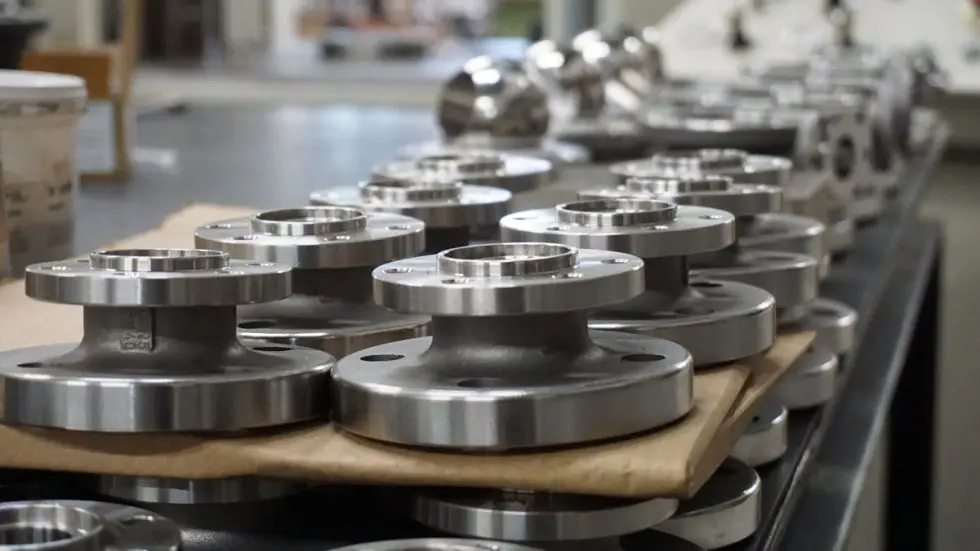
In industrial valves, the body typically starts as a casting or forging that defines the main flow path and connection geometry. Deciding to machine the interior of the valve body is not only a manufacturing choice. It has a direct impact on dimensional control,...