V-port ball valves are a variation of the conventional ball valve specifically designed for flow control applications. Their main difference compared to a standard ball valve lies in the closure element: instead of a ball with a circular bore, they incorporate a ball...
DIN and ANSI are two independent standards systems that define flange dimensions, pressure classes, and material specifications for industrial ball valves. DIN—now largely integrated into European EN standards—uses metric units and PN pressure ratings. ANSI is based...
The Wafer design is one of the most widely used mounting configurations in the process industry. However, selecting it correctly requires understanding when it is the optimal solution and when other designs —Lug or Flanged— are better suited to the application. What...
Working with hydrogen, oxygen, or high-purity fluids imposes requirements that go far beyond a standard valve. Material compatibility, gas tightness, and safety against spontaneous ignition are not optional: they are the starting conditions. Why hydrogen requires...
From the specification sheet to the custom ball valve In a large proportion of industrial installations, a standard valve meets the required service without difficulty. The valve type, pressure class, body and seat materials are selected, and the solution operates for...
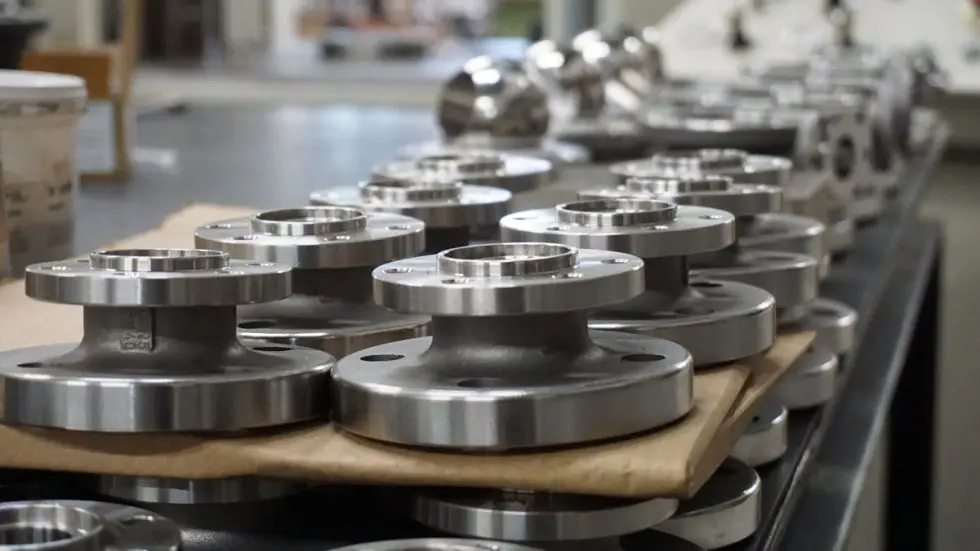
In industrial valves, the body typically starts as a casting or forging that defines the main flow path and connection geometry. Deciding to machine the interior of the valve body is not only a manufacturing choice. It has a direct impact on dimensional control,...